


Smart, affordable surfaces: gravel, stone, or pavers for your next project?
Warm weather is around the corner, and outdoor spaces are calling. If you want a patio, path, or fresh borders before summer but need to keep costs in check, you have good options. Loose aggregates like pea gravel and crushed stone stretch a budget. Manufactured pavers and slabs deliver stability and a clean finish. The right choice depends on use, look, and how much maintenance you are willing to handle.
This guide compares the most common budget-friendly surfaces and explains how simple base prep, geotextiles, and edging help economical materials perform like pro installs. You will also find quick project wins you can complete in a weekend.
Wherever you are in Indiana, Kentucky, or Tennessee, visit a nearby Lee Building Products showroom to see colors, textures, and full-size samples. Availability varies by branch, so a quick call ahead helps.
See our newest pavers here: https://www.leebp.com/pavers-landing-page/
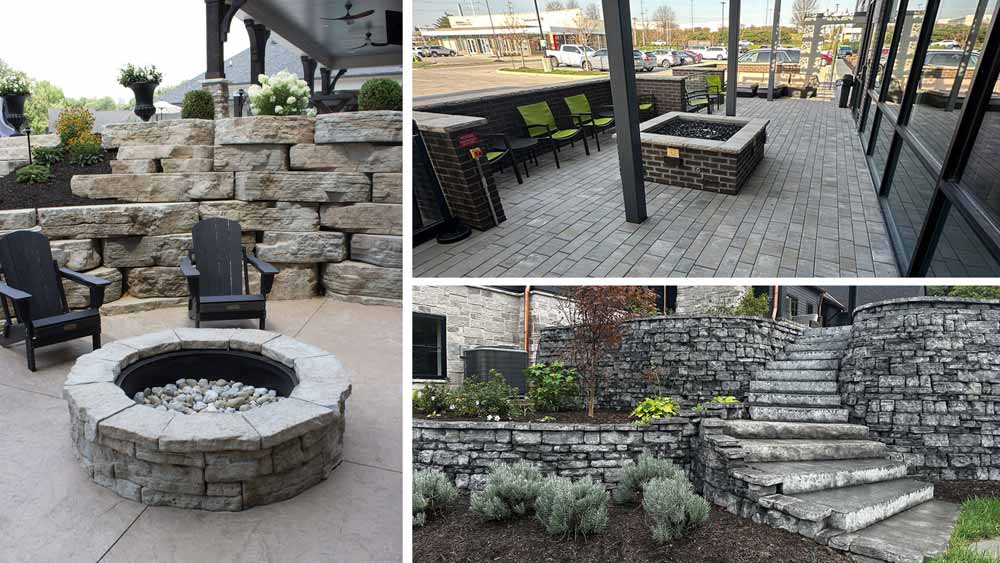
Start with priorities and budget
Begin with how the surface will be used. A bistro patio needs different performance than a wheel-friendly path to a shed. Ask three questions:
- What loads and traffic will the surface see?
- How much edging and base work fits the budget and timeline?
- What upkeep will be acceptable over time?
With those answers, match materials to goals.
Loose stone options: the lowest upfront cost
For value, loose aggregates are hard to beat.
Pea gravel delivers a soft, rounded look and is comfortable underfoot. It drains well and is ideal for low-slope patios and garden seating areas. It tends to migrate without edging and can be tough for chair legs, strollers, and mobility devices.
Crushed stone has angular faces that interlock better, so it stays put with less kick-out. Screenings, sometimes called stone dust or fines, compact tightly and are great as a base under pavers or as a firm top layer for footpaths. Decomposed granite or DG-style blends offer a compactable, fine texture with a natural appearance. In our region, ask for local DG alternatives that handle freeze-thaw better.
What is the difference between gravel and crushed stone? Gravel is typically rounded from natural weathering, while crushed stone is mechanically broken with sharper edges. Those edges improve interlock and stability.
Cheapest option for a patio? A compacted crushed-stone or screenings patio with sturdy edging is typically the lowest-cost patio surface. Expect to refresh the surface and rake seasonally.
Manufactured surfaces: stable, accessible, and clean lined
When stability and easy rolling matter, manufactured pavers and slabs shine. Concrete pavers, porcelain-faced slabs like GeoCeramica, and clay brick pavers create durable, even surfaces with defined joints. They work well for dining patios, grilling zones, and primary walkways.
Southern Traditions pavers, including classic Holland units, are a dependable, budget-conscious choice. In a herringbone pattern with a compacted base, they offer strong interlock and a neat, finished look. Rosetta Dimensional Flagstone provides a natural-stone aesthetic with consistent thickness for smoother installation. For a refined surface that resists stains and fading, porcelain-faced GeoCeramica pairs a porcelain wear layer with a concrete base, suitable for patios and pool surrounds.
Is anything cheaper than pavers? Yes. Loose stone surfaces typically cost less in materials and labor. Choose pavers when you want consistent joints, long-term stability, or improved accessibility for carts, chairs, and strollers.
Build it right: base, geotextile, and edging
Budget materials perform far better with a sound foundation. Here is a simple approach that fits most patios and paths.
- Excavate to the correct depth. For pedestrian areas, remove sod and soil to allow 4 to 6 inches of compacted base plus your surface thickness. In freeze-thaw zones like IN, KY, and TN, depth can vary with soil and drainage; add base in soft soils and where water lingers.
- Separate and stabilize with geotextile. Lay a woven or nonwoven geotextile over subgrade before placing base. It blocks fines from pumping up into the base, adds stability, and reduces long-term settling. Do you need anything under landscaping rocks? Yes, a geotextile underlayment is recommended in most cases to prevent weeds and mixing of materials.
- Use the right base. For pavers, use compacted, well-graded crushed stone or an open-graded base when specified for permeable systems. For screenings patios or DG-style blends, compact in thin lifts and maintain gentle pitch for drainage.
- Compact thoroughly. Compact subgrade and each base lift with a plate compactor. A few extra passes now prevent waves and sink spots later.
- Edge it. Strong edging keeps aggregates contained and locks pavers in place. Choose steel, aluminum, or concrete curbing. Set flush for easy mowing or slightly proud to catch stone.
- Plan drainage. Maintain a slight slope away from structures and toward landscape beds or drains. Permeable paver systems like Rosetta Old Mission, with an open-graded base, can reduce surface runoff when built per spec.
Maintenance expectations
Loose stone is simple to refresh. Top off thin areas annually, rake smooth after heavy storms, and pull stray weeds. Screenings and DG-style surfaces may need occasional re-compaction and a light top-up.
Pavers and slabs typically need joint sand touch-ups, periodic cleaning, and edge inspections. Porcelain-faced options resist stains and fading, which makes cleanup easier around grills and dining areas.
How much does stone cost for landscaping? Pricing varies by region, stone type, and delivery distance. Aggregates are usually the most economical per square foot. Manufactured pavers and porcelain slabs cost more up front but provide a long-wearing surface. For exact pricing, contact your local Lee Building Products branch.
Quick wins you can finish fast
- Stepping stone paths. Set Rosetta Superior Steppers on a compacted bed of screenings and sweep in fines. This creates a clean, hop-style path through turf or mulch with minimal excavation.
- Mulch-to-stone swaps. Replace tired mulch with a compacted crushed-stone band and a neat steel edge along the house. It controls splash, moves water, and looks tidy.
- Accent borders. Add a soldier-course border of Southern Traditions Holland units around an existing patio or at bed edges to create contrast and keep aggregates contained.
If you are planning a patio or drive, explore regional selections and formats for concrete and clay pavers. If you are in Middle Tennessee, review current colors and collections for concrete pavers in Nashville here: https://leebp.com/pavers-landing-page/. To view all hardscape materials and accessories that we offer, go to https://www.leebp.com/hardscape/ the possibilities for your space are endless!
Regional notes for freeze-thaw performance
In Indiana, Kentucky, and Tennessee, winters bring cycles that can heave poorly prepared surfaces. A few adjustments help:
- Increase base depth in clayey or saturated soils.
- Use geotextile to separate subgrade from base.
- Maintain positive drainage and avoid trapped water against foundations.
- Consider permeable paver assemblies where site grading and soils allow, and maintain joints to preserve infiltration.
These small choices protect the budget by preventing do-overs.
When to pick manufactured over loose stone
Choose manufactured pavers or slabs when you need:
- A smooth, wheelchair or stroller-friendly surface.
- Tighter joints near doors and thresholds.
- A defined, architectural look with crisp lines.
- Long-term stability around grills, dining sets, and play areas.
Southern Traditions pavers are a strong fit for these use cases because they balance cost, color options, and proven patterns like herringbone for interlock. Loose aggregates still win for price, fast installation, and excellent drainage in informal areas.
FAQ
- What is the cheapest option for a patio? A compacted crushed-stone or screenings patio with solid edging is typically the lowest-cost patio approach, especially for DIY installs.
- What is cheaper than pavers? Loose stone surfaces such as pea gravel, crushed stone, or screenings usually cost less than manufactured pavers.
- How much does stone cost for landscaping? Costs vary by region, stone type, and delivery. Aggregates are generally the most economical. Contact your local branch for a quote and current availability.
- What is the difference between gravel and crushed stone? Gravel is rounded from natural processes. Crushed stone is mechanically broken and angular, which helps it lock in place.
- Do I need to put anything under landscaping rocks? Yes. A geotextile underlayment is recommended to separate soil from rock, limit weeds, and improve long-term stability.
Ready to compare in person?
See aggregates, pavers, edging, and geotextiles side by side at a nearby Lee Building Products showroom. Bring measurements to discuss base depths, quantities, and delivery timing. Stock and colors vary by location, so call ahead to confirm what is available now and which blends are special order.
A well-built base, simple geotextile, and solid edging help every option perform better. Start small or plan big, and enjoy a space that is ready for summer.
